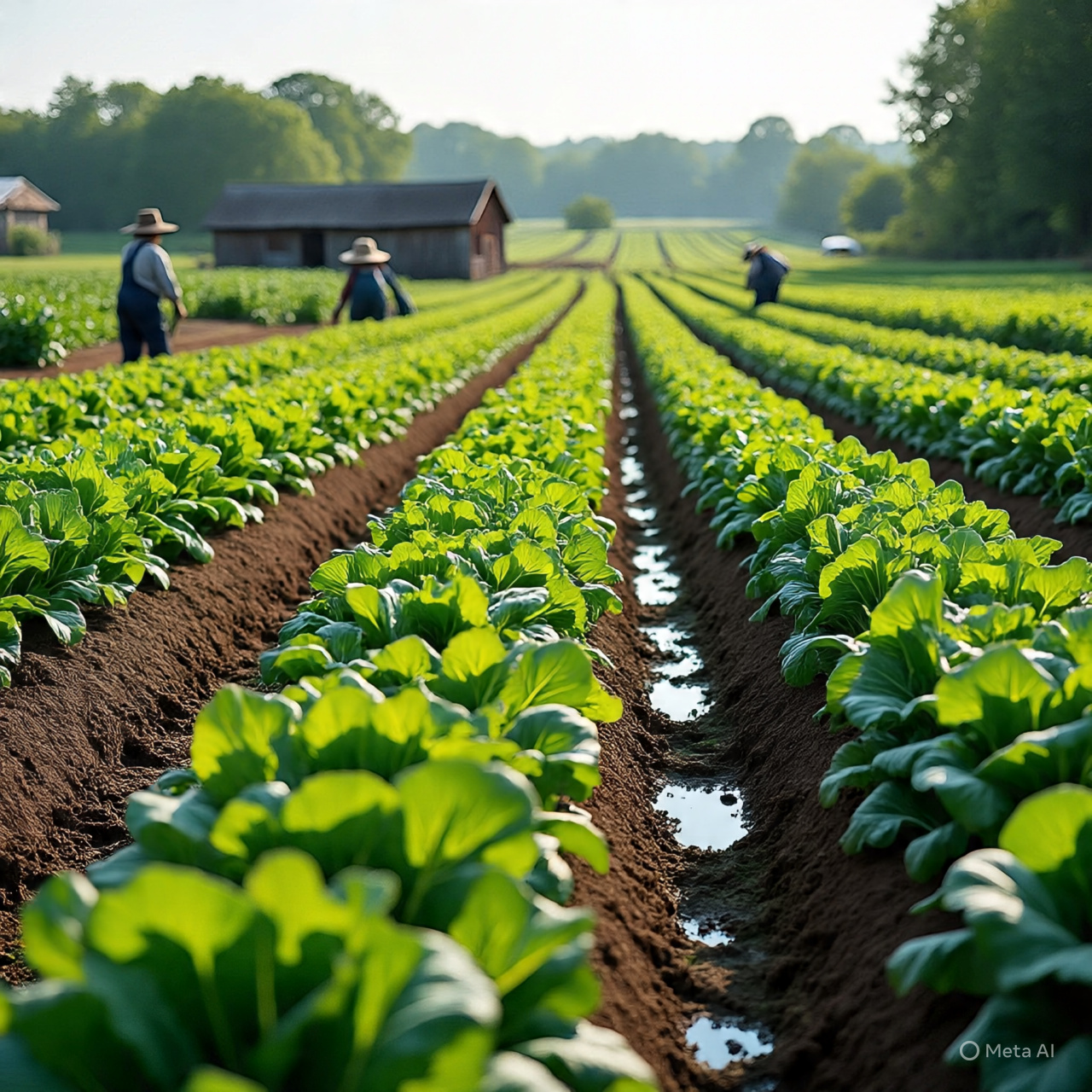
In a world facing environmental challenges, health concerns, and a growing demand for sustainable food production, organic farming has emerged as more than just a trend—it is a movement toward a healthier planet and healthier people. Organic farming emphasizes working with nature rather than against it, avoiding harmful chemicals, and focusing on ecological balance. This farming method not only produces nutritious food but also supports biodiversity, soil health, and a more sustainable future.
Understanding Organic Farming
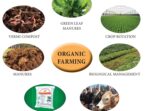
Organic farming is an agricultural system that avoids the use of synthetic pesticides, herbicides, chemical fertilizers, genetically modified organisms (GMOs), and artificial growth hormones. Instead, it relies on natural processes and inputs such as compost, green manure, crop rotation, and biological pest control.
The philosophy behind organic farming is to create harmony between farming practices and the natural environment. Rather than trying to force higher yields through chemical intervention, organic farming seeks to nurture the soil and ecosystems that support plant and animal life.
Key Principles of Organic Farming
According to the International Federation of Organic Agriculture Movements (IFOAM), organic farming is built on four core principles:
-
Health – Maintaining and improving the health of soil, plants, animals, and humans.
-
Ecology – Working with natural systems and cycles, not disrupting them.
-
Fairness – Ensuring fairness in trading relationships, labor conditions, and access to resources.
-
Care – Managing resources responsibly for the benefit of present and future generations.
The Benefits of Organic Farming
The power of organic farming lies in its ability to address multiple global challenges—from climate change to public health—while still providing economic opportunities for farmers.
1. Healthier Food
One of the biggest reasons people choose organic products is their health. Organic crops typically have lower levels of pesticide residues compared to conventionally grown food. Many studies also suggest that organically grown fruits and vegetables may contain higher levels of certain nutrients, such as antioxidants, due to the absence of synthetic inputs.
Organic meat, dairy, and eggs often come from animals raised without antibiotics or growth hormones, and with access to outdoor spaces, which can improve their overall well-being.
2. Environmental Protection
Conventional farming methods often lead to soil degradation, water pollution, and loss of biodiversity. Organic farming, on the other hand, helps preserve natural resources by:
-
Using crop rotation and cover crops to maintain soil fertility.
-
Encouraging beneficial insects and birds for pest control.
-
Avoiding synthetic fertilizers and pesticides, which can contaminate waterways.
-
Supporting biodiversity by maintaining a variety of crops and habitats.
3. Soil Health and Carbon Sequestration
Healthy soil is the foundation of productive farming. Organic practices such as composting and reduced tillage improve soil structure and organic matter content. This not only enhances fertility but also increases the soil’s ability to store carbon—helping mitigate climate change.
4. Reduced Pollution
Without synthetic chemicals, organic farms significantly reduce the risk of pesticide runoff into rivers, lakes, and groundwater. This is critical for protecting aquatic ecosystems and ensuring clean drinking water for communities.
5. Better Animal Welfare
Organic farming standards emphasize humane treatment of livestock, providing animals with space to move freely, access to pasture, and a diet free from genetically modified feed.
Organic Farming Techniques
Organic farmers rely on a variety of techniques to produce healthy crops without chemical intervention. Some of the most common include:
1. Crop Rotation
Rotating crops from season to season prevents the build-up of pests and diseases and improves soil fertility.
2. Green Manure and Composting
Green manure crops, such as clover or alfalfa, are grown and then plowed into the soil to add nutrients. Composting organic waste returns valuable minerals to the soil.
3. Biological Pest Control
Instead of chemical pesticides, farmers introduce natural predators, such as ladybugs or parasitic wasps, to control harmful pests.
4. Mulching
Mulch helps retain soil moisture, suppress weeds, and regulate soil temperature.
5. Intercropping and Polyculture
Growing multiple crops together can improve biodiversity, reduce pest problems, and make better use of available resources.
Challenges of Organic Farming
While organic farming offers many benefits, it also comes with challenges:
1. Lower Yields
In some cases, organic farms may produce less than conventional farms, especially in the early years as the soil transitions.
2. Labor-Intensive
Organic farming often requires more manual labor for activities like weeding, compost management, and pest control.
3. Certification Costs
Becoming certified organic can be expensive and time-consuming, which may be a barrier for small-scale farmers.
4. Market Competition
While demand for organic products is growing, farmers must compete with large-scale organic producers and imported goods.
The Economic Side of Organic Farming
Organic farming can be profitable because organic products often sell at premium prices. Consumers are willing to pay more for food they perceive as healthier and environmentally friendly. Additionally, organic farmers may save money by not buying synthetic fertilizers or pesticides.
Government programs in many countries provide financial incentives, grants, or technical assistance to support farmers transitioning to organic practices.
The Global Growth of Organic Agriculture
According to recent statistics from the Research Institute of Organic Agriculture (FiBL), the global organic market continues to grow rapidly. Millions of hectares worldwide are now managed organically, and consumer demand for organic food is expanding in both developed and developing countries.
Europe, North America, and Oceania lead in organic farming area, while countries like India and China are increasing their share of organic production.
How Consumers Can Support Organic Farming
If you want to support organic farming and its benefits, here are a few steps you can take:
-
Buy organic products whenever possible, especially from local farmers.
-
Join a community-supported agriculture (CSA) program to get fresh produce directly from farms.
-
Educate yourself about organic labels and certifications to make informed choices.
-
Grow your own organic vegetables and herbs at home.
The Future of Organic Farming
Organic farming is not just about growing food—it’s about growing a sustainable future. As awareness of climate change, environmental damage, and health risks increases, more farmers and consumers are turning toward organic solutions.
Innovations such as organic hydroponics, regenerative agriculture, and permaculture are helping make organic farming more efficient and resilient. Governments, businesses, and individuals have a role to play in ensuring that organic agriculture remains a viable and scalable option for feeding the world.
Conclusion
Organic farming represents a powerful path forward in our quest for healthier people, a healthier planet, and a sustainable food system. By prioritizing natural processes, protecting ecosystems, and promoting fairness, organic farming offers a holistic approach to agriculture that goes beyond profit—it nurtures life itself.
Choosing organic is more than a personal preference; it is a statement of values. It reflects a commitment to environmental stewardship, ethical treatment of animals, and the well-being of future generations. As the saying goes, we do not inherit the Earth from our ancestors; we borrow it from our children. By supporting and growing organic farming, we take one step closer to leaving them a greener, more vibrant world.