In a fast-paced world driven by technology and industrial efficiency, it’s easy to forget that our lives are deeply rooted in the earth beneath our feet. Soil is more than just dirt—it’s a living ecosystem, teeming with microorganisms, insects, and nutrients that sustain every plant, animal, and human. Yet, modern farming practices often treat soil as an inert medium to hold crops, pumping it full of synthetic chemicals to force growth.
Organic farming challenges that approach, seeking to reconnect the health of the soil with the health of the soul—our physical, mental, and even spiritual well-being. From preserving biodiversity to producing nutrient-rich food, organic methods remind us that what we take from the earth should be balanced with what we give back.
This is why organic matters—because the journey from soil to soul shapes not only our health but the future of our planet.
Understanding the Organic Philosophy
Organic farming is not just about avoiding pesticides or synthetic fertilizers—it’s a holistic approach to agriculture that respects natural processes. It aims to create a balanced ecosystem where crops, soil, animals, and people thrive together.
At its core, the philosophy of organic farming is based on four guiding principles established by the International Federation of Organic Agriculture Movements (IFOAM):
-
Health – Protecting and improving the health of soil, plants, animals, and humans.
-
Ecology – Working in harmony with natural systems and cycles.
-
Fairness – Ensuring equitable relationships among farmers, workers, and consumers.
-
Care – Safeguarding the environment for present and future generations.
Organic farming is not a return to the past, but a thoughtful blending of traditional wisdom and modern ecological science.
From Soil Health to Human Health
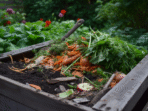
The health of the soil directly influences the quality of the food we eat—and by extension, our health. Healthy soil is alive with beneficial bacteria, fungi, and other microorganisms that make nutrients available to plants. When soil is nurtured with organic compost, green manure, and crop rotation, it becomes a living foundation for nutritious crops.
In contrast, conventional farming often relies heavily on synthetic fertilizers that provide short-term boosts but degrade soil health over time. Overuse of chemicals can strip the soil of its natural life, reducing nutrient diversity and leaving crops more vulnerable to pests and diseases.
Why it matters for you:
-
Higher nutrient content – Studies have shown that organic produce often contains higher levels of antioxidants, vitamins, and minerals.
-
Fewer chemical residues – Organic farming avoids synthetic pesticides, meaning less exposure to potentially harmful residues.
-
Better taste – Many people find organically grown fruits and vegetables richer in flavor, thanks to slower growth and healthier soils.
Environmental Benefits of Organic Farming
Organic agriculture doesn’t just benefit human health—it also plays a crucial role in protecting the planet.
1. Preserving Biodiversity
Organic farms are often home to more wildlife than conventional farms. Without chemical pesticides, bees, butterflies, and beneficial insects thrive. Crop diversity, hedgerows, and natural habitats also provide shelter for birds and small animals.
2. Reducing Pollution
By avoiding synthetic fertilizers and pesticides, organic farming prevents chemical runoff into rivers and lakes, which can cause algal blooms and harm aquatic life.
3. Fighting Climate Change
Healthy, organic soils store more carbon, reducing the amount of carbon dioxide in the atmosphere. This process, known as carbon sequestration, is a key weapon against global warming.
4. Water Conservation
Organic practices improve soil structure, allowing it to retain more water. This reduces irrigation needs and helps crops survive droughts.
The Spiritual Connection: Soil to Soul
For many, eating organic is about more than physical health—it’s about a deeper connection with nature. When we choose organic, we honor the idea that the earth is not simply a resource to exploit but a partner to care for.
Farmers who work organically often speak about feeling more connected to the land. They observe the seasons, respect natural cycles, and see themselves as stewards rather than owners of the soil. This mindset naturally influences the food that is grown—food that is alive with the energy of a healthy ecosystem.
The term “soil to soul” captures this idea perfectly:
-
Soil – The living earth that supports all life.
-
Soul – The inner sense of well-being, purpose, and connection we gain from nurturing and consuming food that respects natural laws.
Common Organic Farming Practices
To maintain this balance, organic farmers use techniques that work with nature rather than against it:
-
Crop Rotation – Alternating crops in a given field to improve soil fertility and reduce pest problems.
-
Green Manure & Composting – Using plant-based compost and natural fertilizers to enrich the soil.
-
Biological Pest Control – Introducing beneficial insects and birds to keep harmful pests in check.
-
Mulching – Covering soil with organic material to preserve moisture and suppress weeds.
-
Intercropping – Growing multiple types of crops together to enhance biodiversity.
Challenges in Going Organic
While the benefits are clear, organic farming does come with challenges:
-
Higher labor costs – Without synthetic chemicals, farmers often need more hands-on work for weeding, pest control, and soil management.
-
Lower yields – In certain conditions, organic farms may produce less than conventional farms, especially during the transition period.
-
Certification hurdles – Getting organic certification can be time-consuming and costly, especially for small farmers.
-
Price premium – Organic products often cost more, making them less accessible for some consumers.
Despite these hurdles, many farmers and consumers continue to support organic agriculture because the long-term benefits outweigh short-term drawbacks.
The Economic Side: Why It’s Worth It
Organic farming is a growing sector of the global agricultural economy. The demand for organic food has been increasing steadily over the past two decades, driven by consumer awareness of health and environmental issues.
While organic products may cost more, this reflects the true cost of sustainable production—fair wages, careful land management, and the absence of environmentally harmful shortcuts.
For farmers, organic certification can open up premium markets and foster closer relationships with consumers, especially through farmers’ markets, community-supported agriculture (CSA) programs, and direct-to-consumer sales.
How You Can Support Organic
If you believe in the soil-to-soul philosophy, here are ways to contribute:
-
Buy organic products when possible, especially locally grown produce.
-
Join a CSA program to support local organic farmers.
-
Grow your own organic food—even a small herb garden can make a difference.
-
Educate yourself about organic labeling to make informed choices.
-
Advocate for sustainable agriculture policies in your community.
The Future of Organic Farming
The future of organic agriculture is promising, thanks to innovations like regenerative farming, organic hydroponics, and vertical farming. These methods aim to make organic production more efficient while maintaining its ecological principles.
As climate change and environmental degradation become more pressing, the organic movement could serve as a model for sustainable food systems worldwide. From soil regeneration to community health, organic farming’s benefits are deeply interconnected—reminding us that we are part of a greater natural cycle.
Conclusion: Why Organic Truly Matters
From the richness of the soil to the health of the human soul, organic farming bridges the gap between environmental responsibility and personal well-being. Choosing organic is more than a dietary preference—it’s a commitment to sustainability, fairness, and harmony with nature.
When we nourish the soil, we nourish ourselves. When we respect the earth, we protect our future. This is the essence of “Soil to Soul”—a philosophy that goes beyond farming to embrace a way of living where every choice we make ripples through the natural world.
The next time you pick up an organic apple, remember: it’s not just fruit—it’s the result of a relationship between the land, the farmer, and you. And in that relationship lies the true power of organic.